
The Role of Stonemasonry in Sustainable Construction
Introduction
In an era marked by increasing environmental awareness, sustainable construction practices have become imperative for a greener future. Architects, builders, and homeowners alike are seeking eco-friendly alternatives to traditional building materials and methods. One such time-honoured practice that aligns perfectly with sustainability principles is stonemasonry. Stonemasonry, an ancient craft that involves cutting, shaping, and laying natural stone, plays a vital role in sustainable construction. In this blog post, we will delve into the significance of stonemasonry in sustainable building practices and highlight how stone masons near you are contributing to environmentally-friendly construction.
The Legacy of Stonemasonry
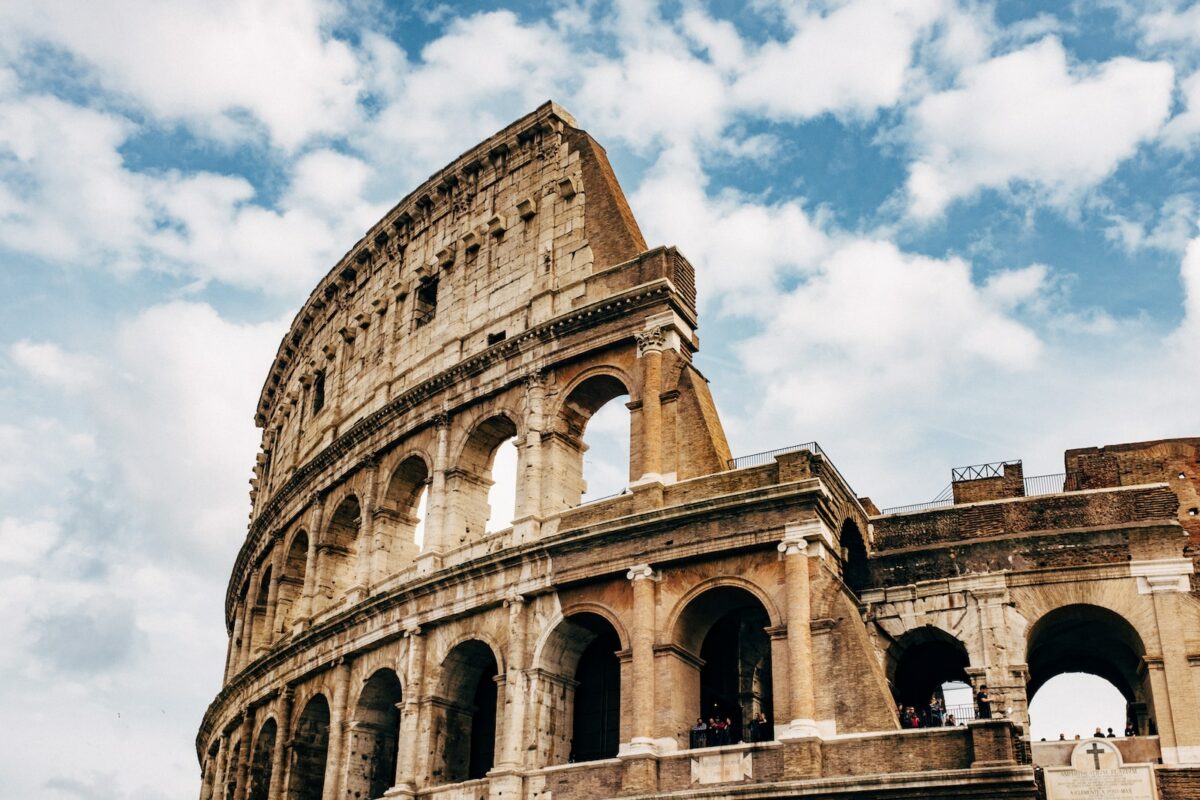
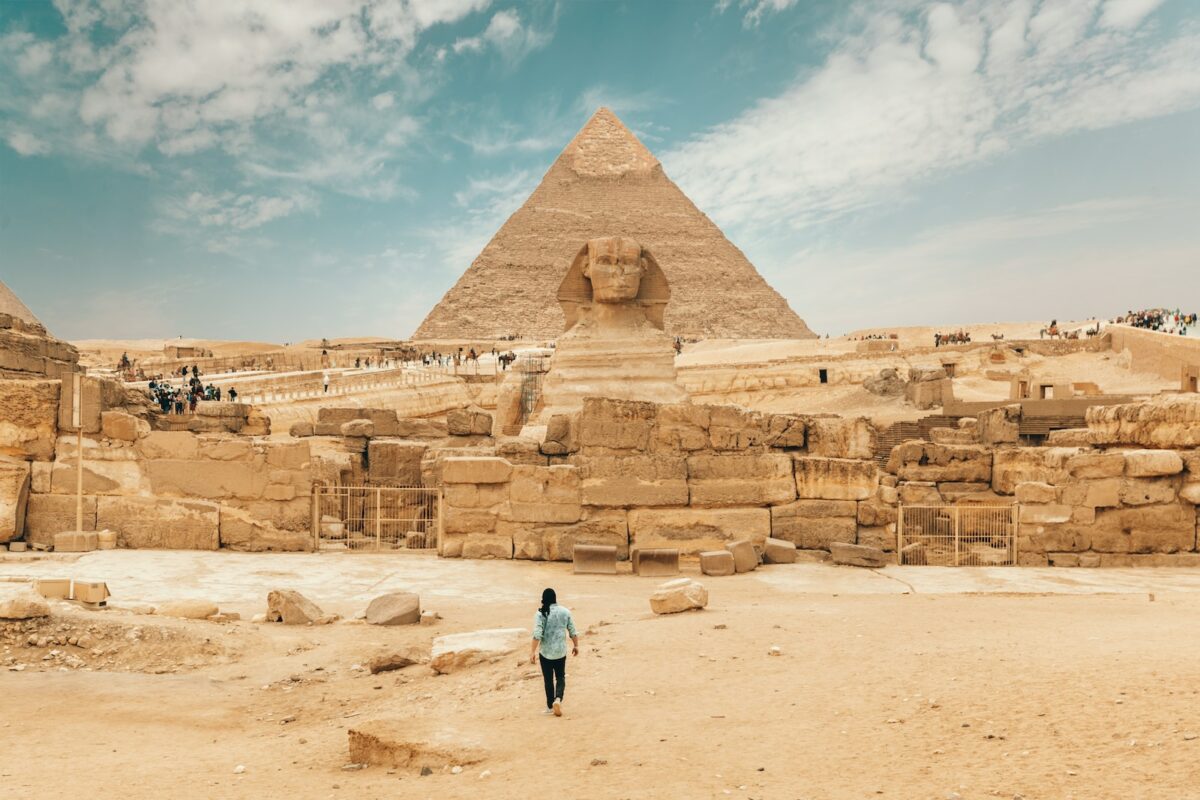
Stonemasonry has an enduring legacy dating back thousands of years. The great architectural marvels of history, such as the Egyptian pyramids, the Roman Colosseum, and the Gothic cathedrals, stand as a testament to the longevity and resilience of stone-built structures. The craft of stonemasonry has been passed down through generations, combining traditional techniques with modern innovations to create sustainable buildings.
Sustainable Stone Sourcing
One of the primary reasons stonemasonry aligns with sustainable construction is its reliance on natural stone. Unlike many contemporary building materials that are energy-intensive to produce, stone is a natural resource that is readily available in various regions. Stone masons near you work with locally-sourced materials, reducing transportation-related carbon emissions and supporting regional economies.
Energy Efficiency
Stone has remarkable thermal mass properties, meaning it can absorb, store, and release heat slowly. Stone-built structures remain cool during hot days and retain warmth in colder weather. As a result, buildings constructed with stone require less energy for heating and cooling, leading to reduced energy consumption and lower greenhouse gas emissions.
Durability and Longevity
Sustainable construction aims to reduce waste and promote longevity in buildings. Stonemasonry excels in this aspect, as stone structures are known for their durability and ability to withstand the test of time. A well-maintained stone building can last for centuries, significantly reducing the need for frequent renovations and replacements.
Low Carbon Footprint
The carbon footprint of a construction project is a crucial consideration in sustainable building. Stonemasonry has a lower carbon footprint compared to many contemporary construction methods. The energy-intensive production processes associated with other materials, such as concrete or steel, are largely avoided in stonemasonry. Furthermore, as stone is a natural material, it does not release harmful emissions during its lifespan.
Reclaimed Stone and Restoration
Stone masons play a vital role in preserving historical buildings and structures by employing restoration techniques. Rather than tearing down old buildings, skilled stone masons near you can carefully dismantle and salvage reusable stone, reducing the demand for new materials. By incorporating reclaimed stone into new construction projects, the environmental impact is further minimised.
Design Flexibility
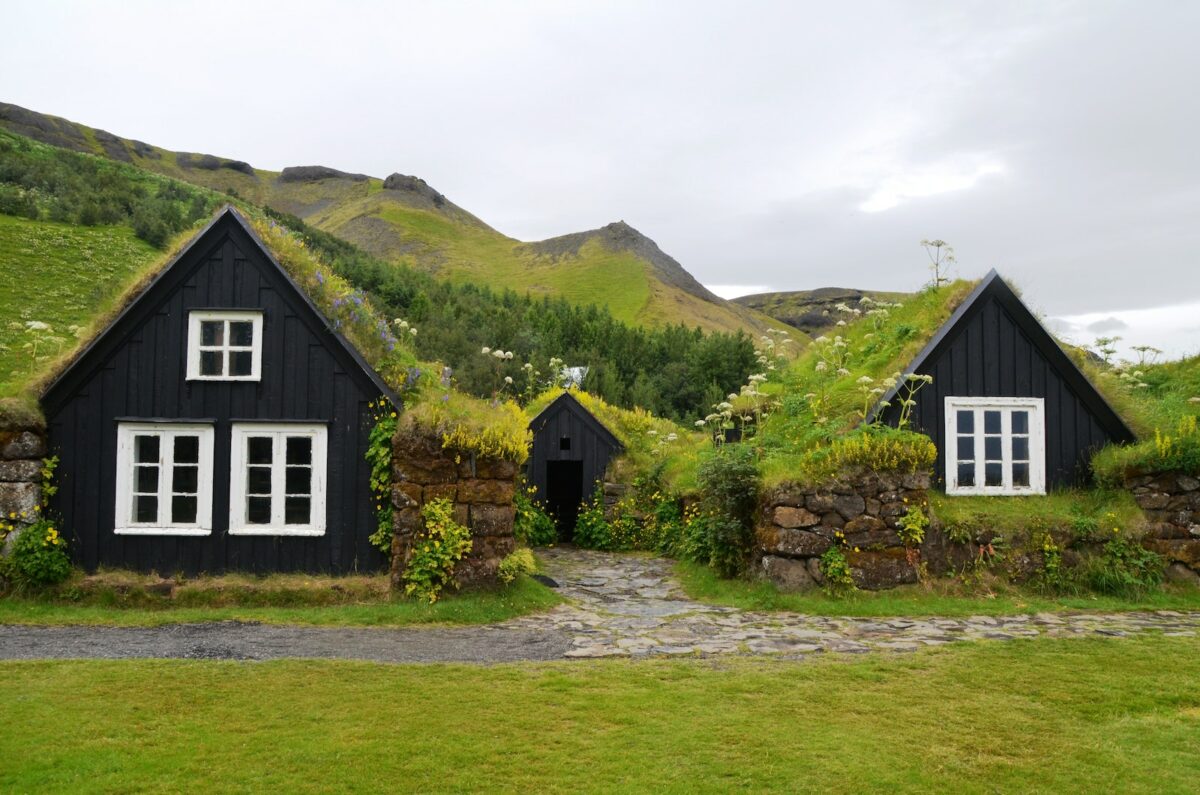
Stonemasonry offers exceptional design flexibility, allowing architects and builders to create unique and aesthetically pleasing structures. The versatility of stone as a building material makes it possible to adapt to various architectural styles and construction needs. Additionally, stonemasonry can be combined with other sustainable elements, such as green roofs and passive solar design, to enhance a building’s eco-friendly features.
Low Maintenance Requirements
Sustainable buildings should not only be constructed with eco-friendly materials but should also demand minimal maintenance throughout their lifecycle. Stonemasonry fits this criterion perfectly, as stone structures typically require little upkeep compared to buildings made from less durable materials. This translates to fewer maintenance resources and costs, contributing to the overall sustainability of the project.
Natural Aesthetics
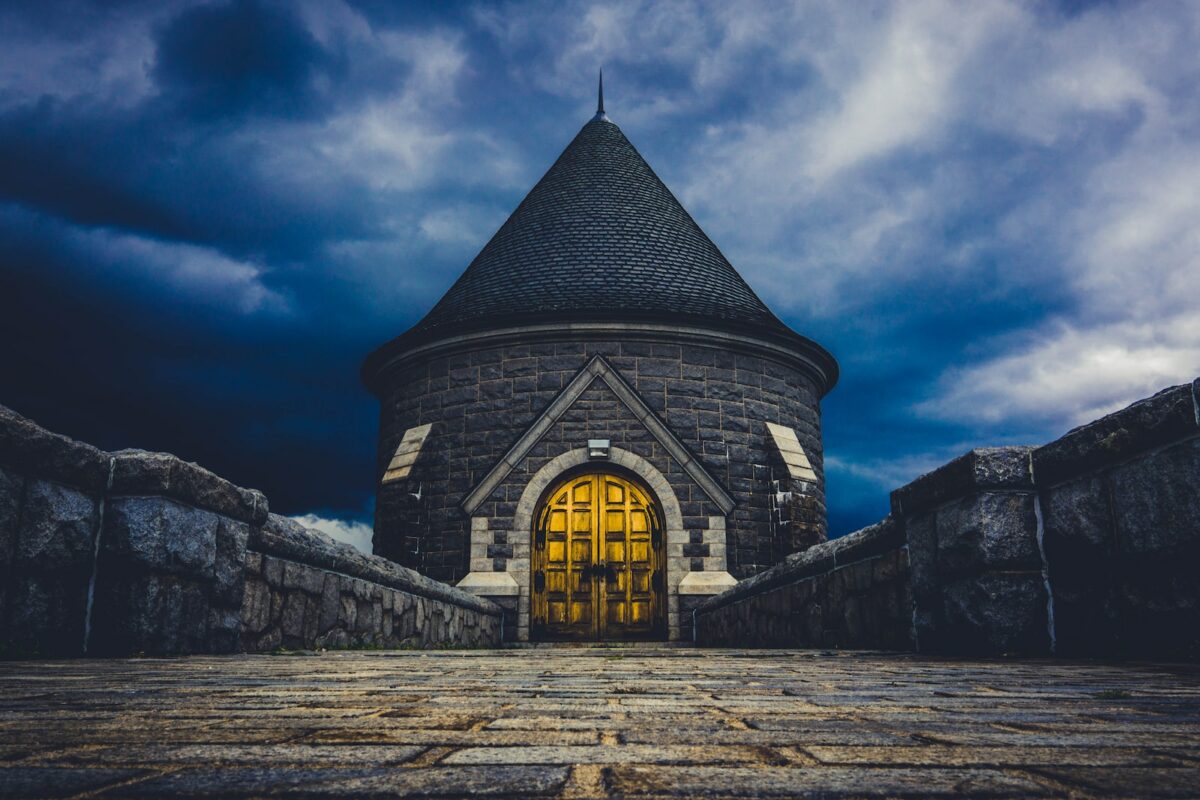
Stonemasonry not only offers environmental benefits but also provides an undeniable aesthetic appeal to buildings. The natural beauty and uniqueness of each stone piece add character to the structure, making it stand out from mass-produced buildings. With stonemasonry, architects and builders have the opportunity to create visually stunning buildings that blend harmoniously with their surroundings. The use of local stone can also establish a strong connection between the building and its environment, further reinforcing sustainable design principles.
Water Resistance
Stone is inherently water-resistant, making it an ideal choice for structures exposed to moisture and damp conditions. Buildings constructed with stone have superior resistance to water-related damage, reducing the risk of mould growth, rot, and structural deterioration. This characteristic is particularly valuable in regions with high rainfall or coastal areas where water intrusion is a prevalent concern.
Fire Resistance
Another remarkable feature of stone is its excellent fire resistance. Stonemasonry can help create fire-resistant structures, which is a crucial consideration for building safety. Stone-built walls and structures act as effective fire barriers, limiting the spread of flames and protecting the building’s occupants. By incorporating stonemasonry into fire-prone regions or for buildings where fire safety is of utmost importance, a higher level of protection can be achieved.
Reduction of Waste
Sustainable construction practices prioritise waste reduction and responsible resource management. Stonemasonry contributes to these goals by minimizing waste generation during construction. Stone can be precisely cut to fit specific requirements, leading to fewer offcuts and discarded materials. Any leftover stone pieces can often be repurposed for other projects or utilized in landscaping, ensuring minimal waste.
Local Employment and Skill Preservation
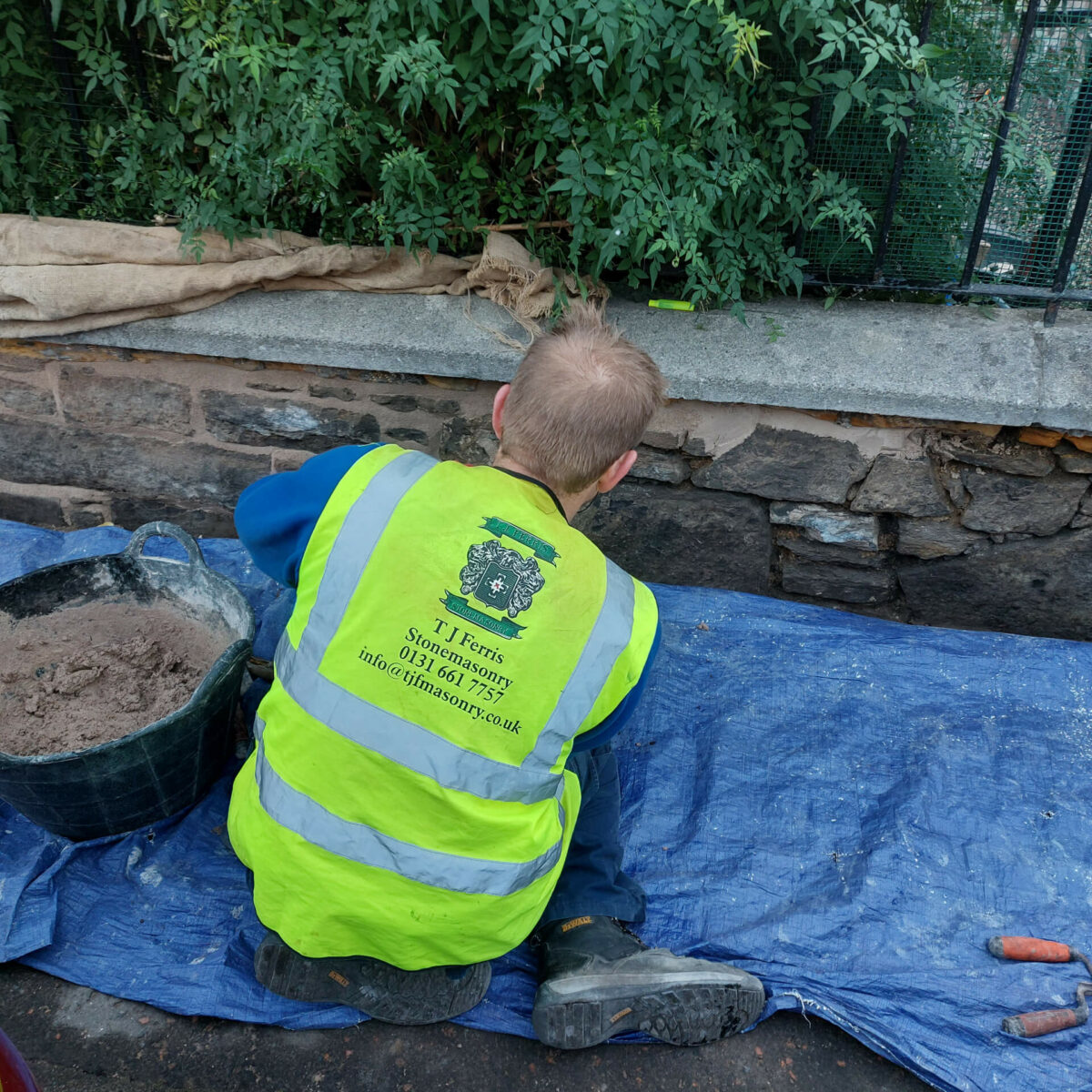
Choosing stonemasonry for your construction projects supports local economies and helps preserve traditional craftsmanship. Stone masons are skilled artisans who possess an in-depth understanding of the characteristics and properties of various types of stone. By engaging local stone masons near you, you not only support their livelihoods but also ensure that this ancient craft continues to thrive for future generations.
Indoor Air Quality
Indoor air quality is a significant concern in sustainable construction. Certain building materials can emit harmful volatile organic compounds (VOCs) that negatively impact occupants’ health. Stone, being a natural material, does not release VOCs, contributing to healthier indoor air quality. Moreover, stone’s inert nature ensures it does not harbour allergens or pollutants, making it an excellent choice for individuals with respiratory sensitivities.
Adaptability to Changing Needs
Sustainable construction emphasises adaptability and the ability of buildings to cater to changing needs over time. Stonemasonry, with its enduring strength and flexibility, offers long-term adaptability. As communities and building requirements evolve, stone-built structures can be easily modified, expanded, or repurposed without compromising their integrity. This adaptability enhances the longevity and sustainability of the building, reducing the need for complete reconstructions.
Support for Green Building Certifications
In recent years, green building certifications such as LEED (Leadership in Energy and Environmental Design) have gained prominence. These certifications recognise buildings that adhere to strict sustainability criteria. Stonemasonry, with its eco-friendly attributes and contribution to energy efficiency, can play a significant role in achieving such certifications. By integrating stonemasonry into your construction project, you can position your building as an environmentally responsible structure, garnering recognition and potentially attracting environmentally conscious tenants or buyers.
Community Heritage
In addition to the practical benefits, stonemasonry also holds cultural and historical significance. In many regions, stonemasonry has shaped the local architectural identity and contributed to the preservation of community heritage. By incorporating stonemasonry into new constructions, architects and builders pay homage to the region’s traditions while embracing modern sustainable practices, fostering a sense of pride and continuity within the community.
Education and Awareness
Promoting stonemasonry as a sustainable construction method also serves to educate the public about environmentally friendly building alternatives. Through educational initiatives and showcasing sustainable stone-built structures, stone masons can raise awareness about the significance of preserving traditional skills and choosing materials with a lower environmental impact. This increased awareness can lead to more widespread adoption of sustainable practices in the construction industry.
Conclusion
Stonemasonry’s role in sustainable construction extends beyond its environmental benefits. It encompasses a harmonious blend of natural aesthetics, durability, fire resistance, water resistance, and design flexibility. By choosing stonemasonry, you invest in a building’s longevity, reduce its carbon footprint, and contribute to the preservation of local craftsmanship and cultural heritage.
As sustainable construction practices gain traction worldwide, the significance of stonemasonry continues to grow. Collaborating with skilled stone masons like T.J. Ferris Stonemasonry ensures that your construction project aligns with the principles of eco-friendliness, adaptability, and community consciousness. Whether it’s a new build, restoration, or renovation project, stonemasonry offers an enduring and responsible solution for a greener future.
Embrace the time-honoured tradition of stonemasonry and make a lasting impact on the environment, the community, and the generations to come. Together, let’s build a sustainable future, one stone at a time.