

Timeless Beauty: Exploring the History of Walled Gardens and Their Modern Renaissance
Introduction
Step into a world where nature and artistry intertwine, where tranquillity reigns amidst carefully curated blooms and foliage. Walled gardens, with their rich history and contemporary resurgence, offer an exquisite blend of beauty, privacy, and functionality. As we embark on this journey, we’ll uncover the origins of these captivating enclosures, tracing their evolution from the hands of stonemasons to their relevance in the modern era.
Inception in Stonemasonry Craftsmanship
The story of walled gardens unfolds against the backdrop of human ingenuity and the mastery of stonemasonry. In ancient times, people sought ways to protect their crops and plants from the harsh elements and marauding wildlife. This primal need gave birth to the concept of enclosing gardens within protective walls, leading to the creation of the earliest walled gardens.
Early civilisations, such as the ancient Egyptians and Mesopotamians, recognised the potential of walled enclosures. These rudimentary walls were constructed using basic stone structures, woven reeds, and mud bricks. As societies advanced, so did the art of stonemasonry. Skilled stonemasons began to transform these enclosures from mere protective barriers into exquisite works of art.
The ancient Greeks embraced the concept of symmetry and balance, evident in their garden designs. Walled gardens within Greek city-states were often adorned with intricate stonework, reflecting their appreciation for aesthetics. However, it was during the Roman era that the craftsmanship of stonemasons truly flourished. The grandeur of Roman villas featured elaborate walled gardens, showcasing the mastery of these artisans in creating intricate patterns and ornate sculptures.
From Fortifications to Flourishing Spaces
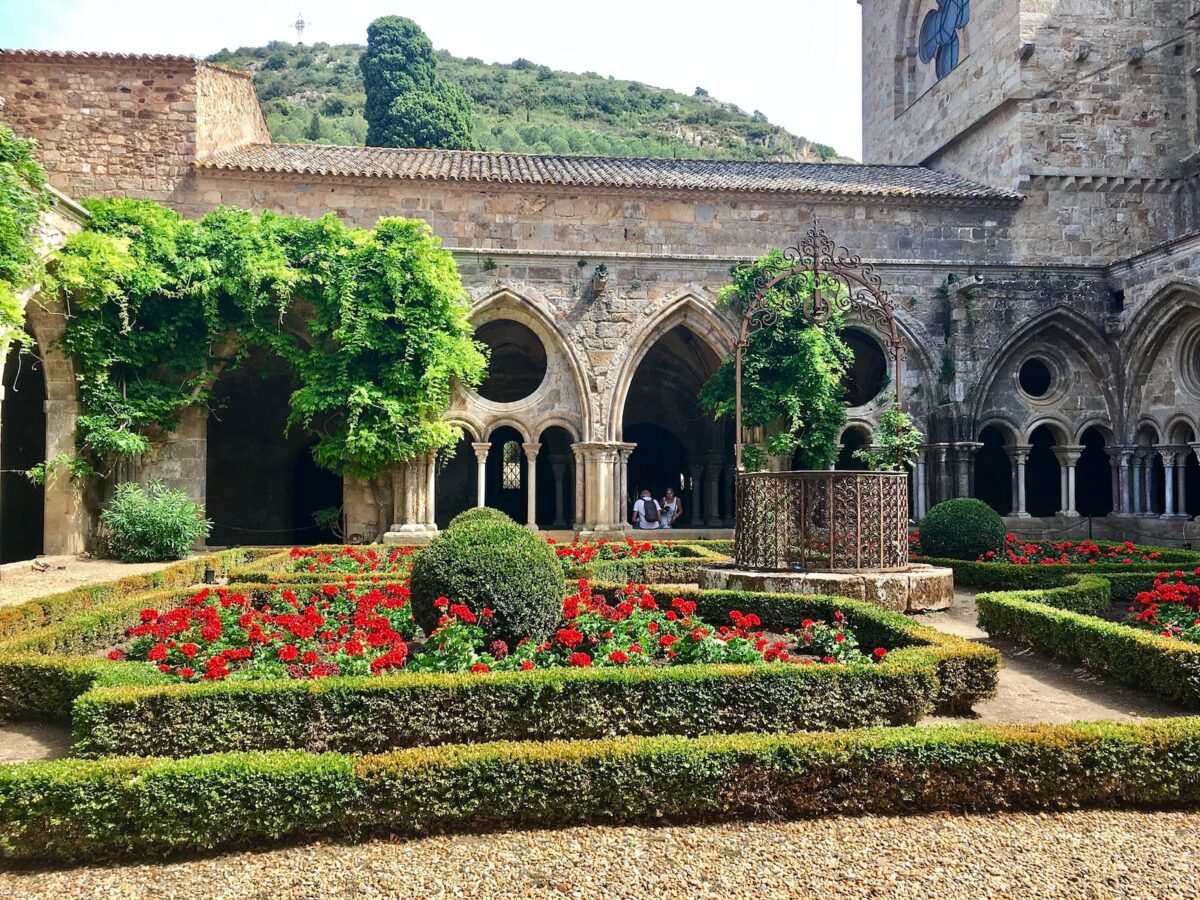
The medieval period witnessed a shift in the purpose of walled gardens. As the threat of invasions diminished, the need for protection waned, allowing these enclosures to evolve into spaces of beauty and cultivation. Monasteries played a pivotal role in preserving gardening traditions during this era. Monastic walled gardens, known as “cloisters,” were designed for both sustenance and reflection. These gardens boasted herbs, vegetables, and medicinal plants, showcasing the monks’ dedication to the study of horticulture.
With the Renaissance came a reawakening of art and culture. Walled gardens transformed from functional spaces into expressions of opulence. Italian Renaissance gardens, characterised by their symmetry and integration of sculptures, demonstrated a fusion of aesthetics and nature. These gardens symbolised the human quest for harmony between the artificial and the natural, with stonemasons breathing life into their visions.
Formality and Symmetry in Baroque Gardens
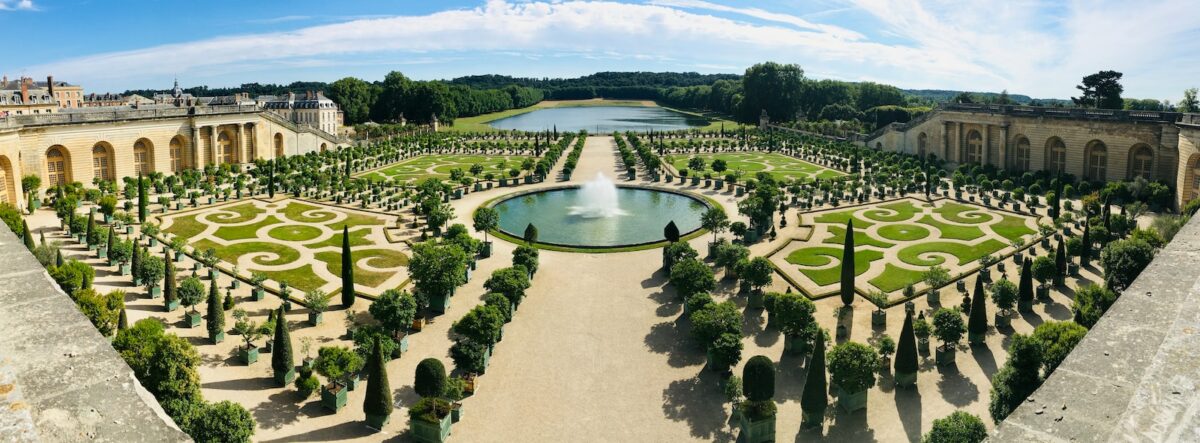
The Baroque period marked a zenith of lavishness and extravagance in garden design. Walled gardens became integral components of vast palace estates, reflecting the wealth and power of the nobility. The formality and symmetry that defined this era were mirrored in the gardens, with stonemasons crafting elaborate parterres, fountains, and terraces. The Palace of Versailles in France remains an emblematic example, showcasing the symphonic dance between architecture and horticulture.
Romantic Revival and English Gardens
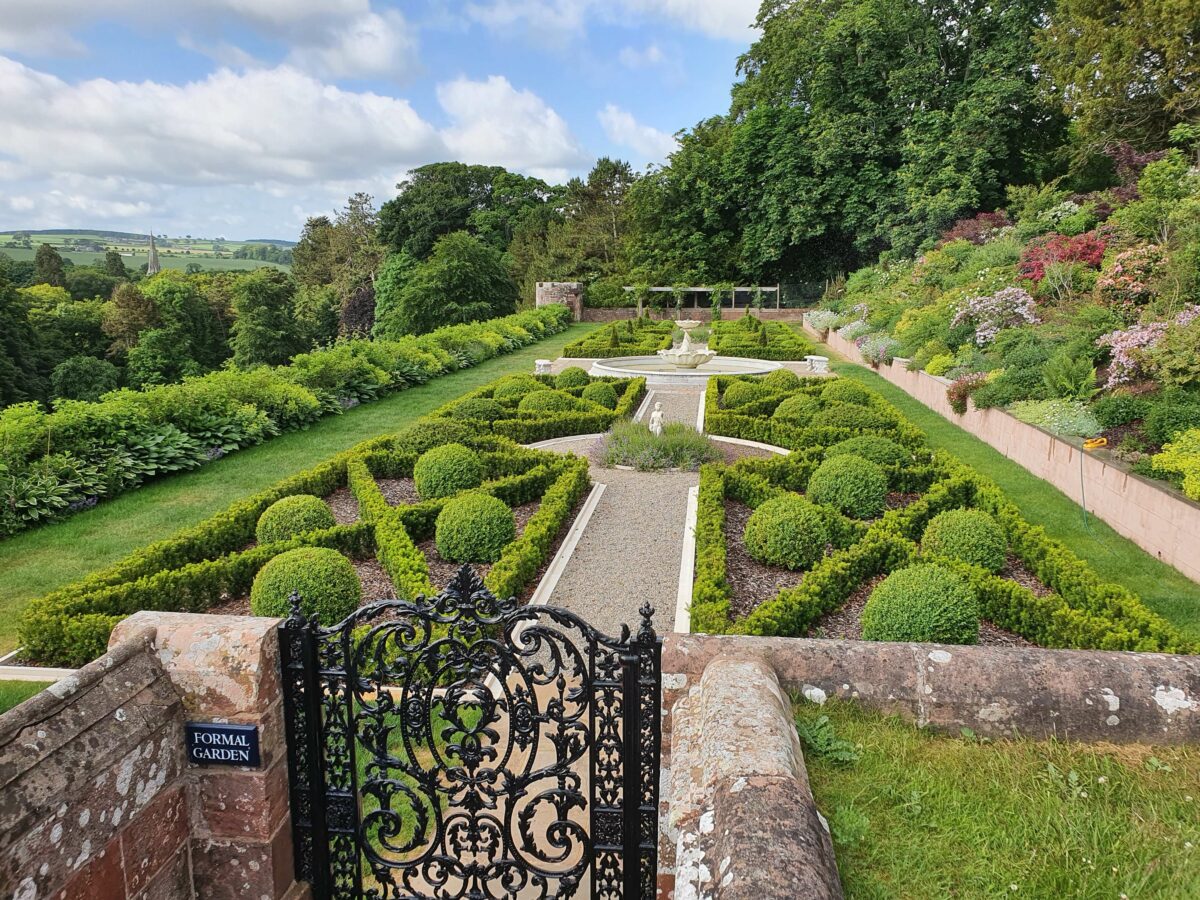
The 18th century witnessed a shift towards a more naturalistic approach to gardening. Walled gardens no longer confined themselves to rigid geometric designs; instead, they embraced the ideals of the Romantic movement. English landscape gardens emerged as spaces that celebrated the beauty of imperfection. Stonemasons, now considered artists, contributed to these gardens by creating meandering pathways, rustic stone bridges, and hidden grottoes that harmonised with the untamed beauty of nature.
Aesthetic Resurgence in Modern Landscaping
With the advent of the Industrial Revolution, gardening underwent a transformation, and walled gardens evolved to accommodate the changing times. Landscape architects and designers adapted the concept of walled gardens to fit the preferences of the modern world. These enclosed spaces became private retreats, designed to offer respite from the pressures of urbanisation. Stonemasons continued to play a vital role, merging traditional craftsmanship with contemporary sensibilities to craft walls that seamlessly blended into the modern landscape.
Therapeutic Retreats: Healing Walled Gardens
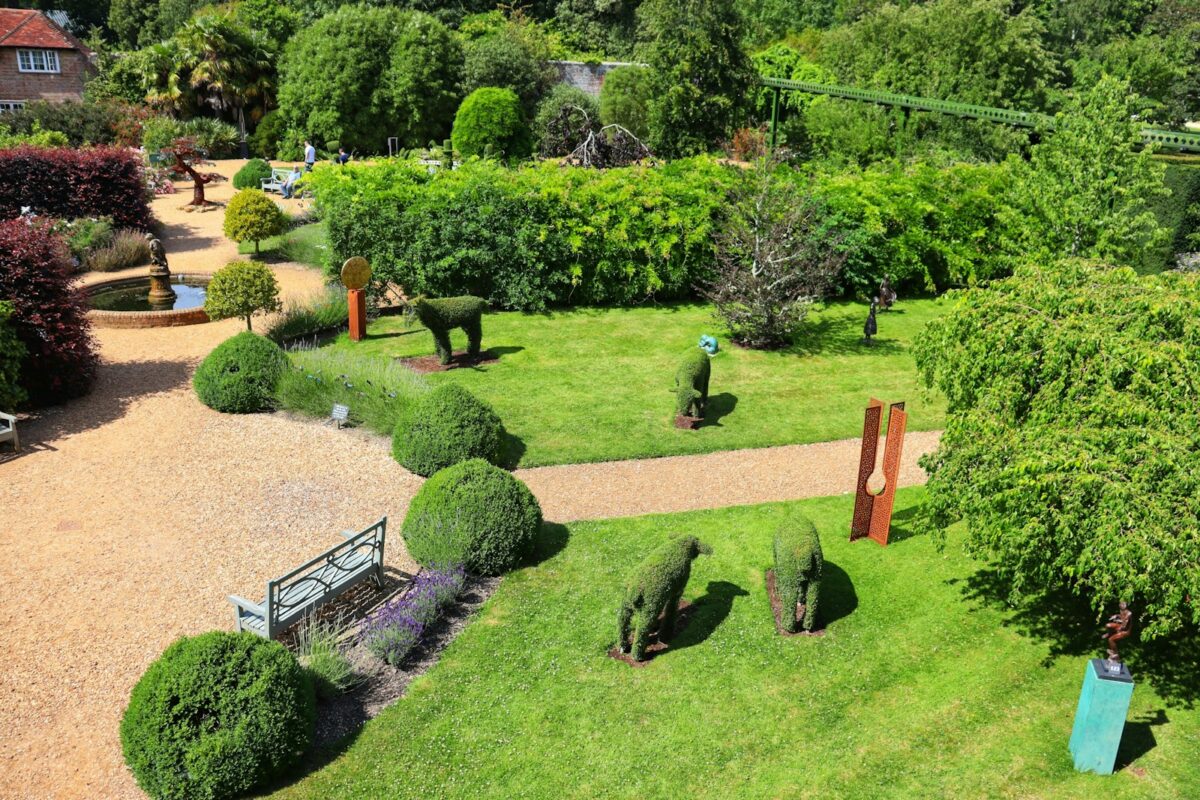
In the modern era, walled gardens have found a new purpose as therapeutic spaces. Recognising the profound impact of nature on mental and physical well-being, healthcare facilities have incorporated healing gardens within their premises. These gardens, often meticulously designed by both landscape architects and stonemasons, provide patients, visitors, and healthcare staff a place of respite. The soothing sounds of flowing water, the visual delight of blooming flowers, and the tactile experience of varied textures offer a multisensory healing environment.
Research supports the therapeutic benefits of walled gardens. Studies indicate that exposure to nature can reduce stress, anxiety, and even expedite the healing process. Healing gardens, nestled within the secure embrace of stone walls, have emerged as integral components of holistic healthcare design, showcasing the enduring relevance of these enclosed spaces.

City Sanctuaries: Walled Gardens in Urban Landscapes
As cities continue their vertical expansion, the demand for green spaces remains unceasing. Walled gardens, especially in the form of rooftop gardens, have arisen as solutions for urban greening. These elevated havens offer urban residents a breath of fresh air amidst the concrete surroundings. Urban rooftop gardens, meticulously crafted by stonemasons and landscape architects, bring nature’s beauty to the heart of the city.
These spaces not only add to the visual appeal of city skylines but also play a role in sustainability efforts. Rooftop gardens provide insulation, reducing energy consumption, and counteracting the urban heat island effect. Amidst bustling urban environments, these walled gardens cultivate a sense of community, inspiring city dwellers to connect with each other in the embrace of nature.
Sustaining Biodiversity: Walled Gardens for Conservation
In an era marked by environmental concerns, walled gardens have stepped into a role of conservation and biodiversity preservation. Botanic gardens, arboretums, and conservation centres utilise walled enclosures to cultivate and safeguard endangered plant species. These carefully curated gardens serve as living archives, protecting genetic diversity and acting as reservoirs for species that are threatened by habitat loss and climate change.
Stonemasons contribute to this noble cause by creating walls that provide optimal growing conditions for rare and delicate plants. The precision and artistry of stonemasonry ensure that these enclosures not only protect but also showcase the diversity of plant life, inspiring visitors to value and participate in conservation efforts.
Cultivating Connection: Walled Gardens in Social Settings
Walled gardens have transcended their historical confines, expanding into the realm of social gatherings and celebrations. With their intimate ambiance and charming aesthetics, these enclosed spaces have become sought-after venues for weddings, parties, and events of all kinds. The blend of history and modernity, facilitated by skilled stonemasons, creates an enchanting backdrop that adds a touch of magic to any occasion.
The allure of walled gardens lies not only in their physical beauty but also in the sense of intimacy they evoke. These spaces encourage connections, conversations, and shared memories, fostering an atmosphere of joy and celebration. Whether it’s exchanging vows under a canopy of blossoms or toasting to a milestone in the shadow of historic stone walls, walled gardens enhance the significance of any event.
Conclusion
Tracing the history of walled gardens reveals that these enclosed spaces are not relics of the past but living testaments to the enduring relationship between humans, nature, and craftsmanship. From their humble beginnings in the hands of stonemasons to their diverse applications in the modern world, walled gardens continue to captivate and inspire.
The evolution of these gardens reflects the ever-changing dynamics of human desires and societal values. From fortifications to flourishing havens, from ornate symmetrical designs to naturalistic landscapes, walled gardens have adapted to the prevailing zeitgeist while retaining their core essence of beauty, tranquillity, and connection.
With a legacy steeped in the time-honoured craft of stonemasonry, T.J. Ferris Stonemasonry excels in breathing new life into historical walled gardens. Through meticulous craftsmanship and an eye for detail, they restore weathered walls, revive intricate stonework, and ensure that the essence of these gardens remains intact. With each restoration, they bridge the gap between eras, allowing the stories of these walled gardens to continue unfolding.